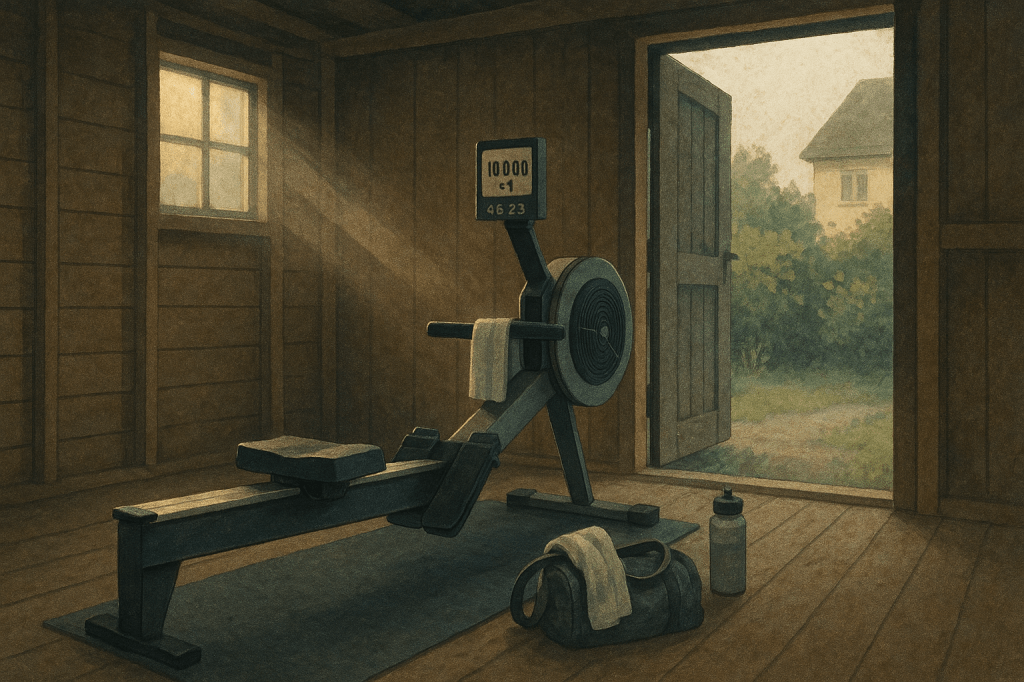
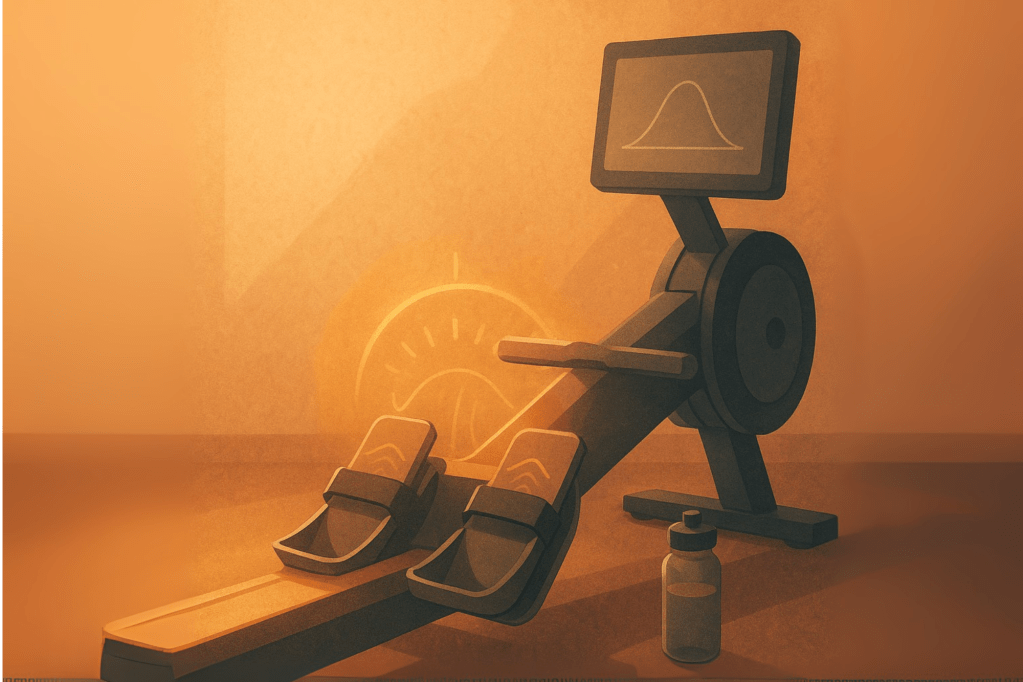
I have just finished my first 10,000 metres on the home rowing machine and I feel great. Absolutely brilliant.
There is something special about rowing on a brand new machine. This one feels smooth and buttery and just glorious compared to some of the tired commercial ergs I have used over the years.
For the record, I did not listen to Coach GPT at all today.
The sensible plan was a 30 minute fairly easy row. Instead, I set the monitor to 10,000 metres and got on with it. I kept things mostly steady but had a couple of big digs in there to get the blood properly flowing. It felt powerful and fun, not reckless.
This whole setup still feels like a huge privilege to have a Concept2 in the shed, ready whenever I am.
The best bit? When I am done, I do not have to drive home. I just step off the rower, open the door and walk across the garden.
How cool is that?
Another good session logged. This is The Sub-7 Experiment, and it continues.
Today was the first 30 minute row on my new Concept2 RowErg. In my shed.
I am so excited to have this, and I recognise the privileged position I am in to be able to own my own machine. It is something I have dreamed about for a long time.
No excuses not to row. No excuses not to move every day.
Gym for strength work. Shed for rowing technique and pacing.
I am delighted.
This is The Sub-7 Experiment, and we have just changed gear.
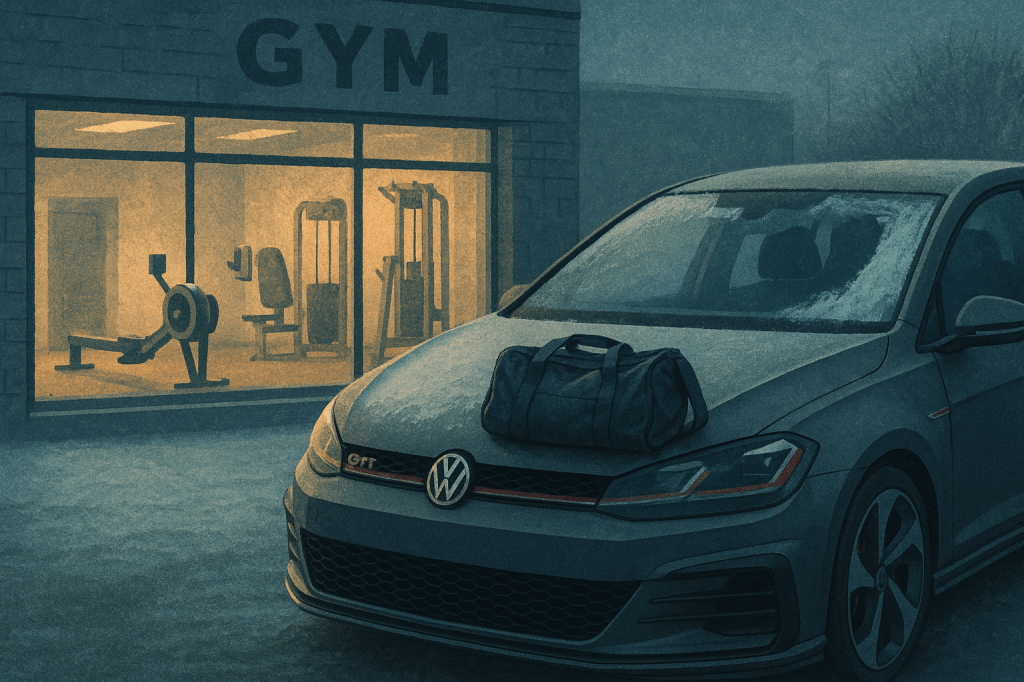
There was ice on the car. The heating was on in the house. Everyone else was warm and cosy. It would have been very easy to stay in bed, put something on the TV and write the whole morning off as “rest.”
Instead, I scraped the ice off the car, put my gym gear on and went.
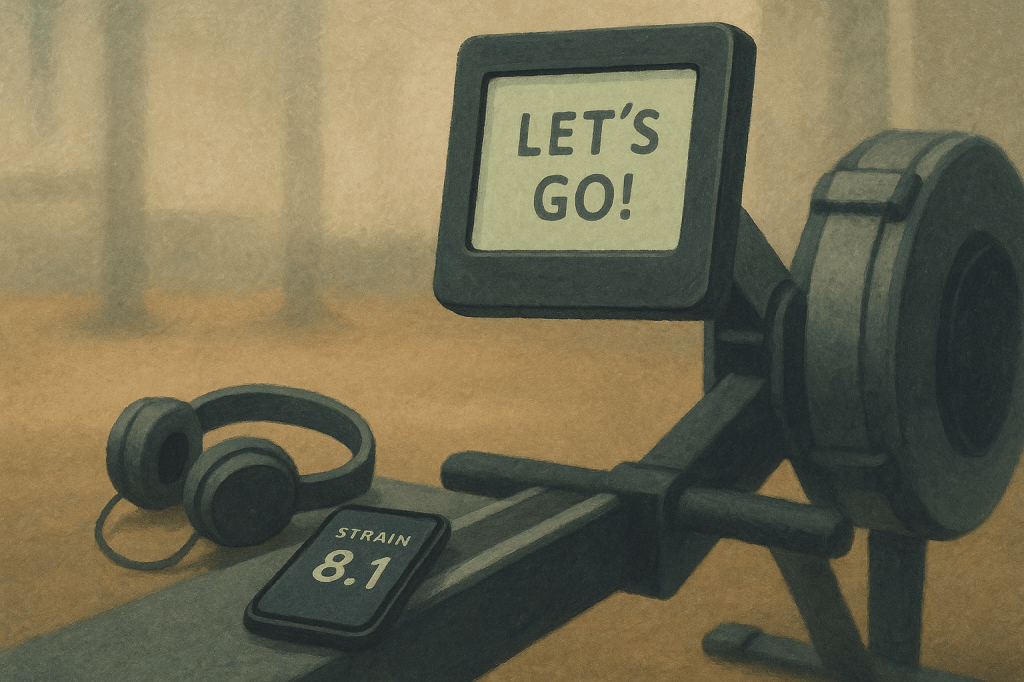
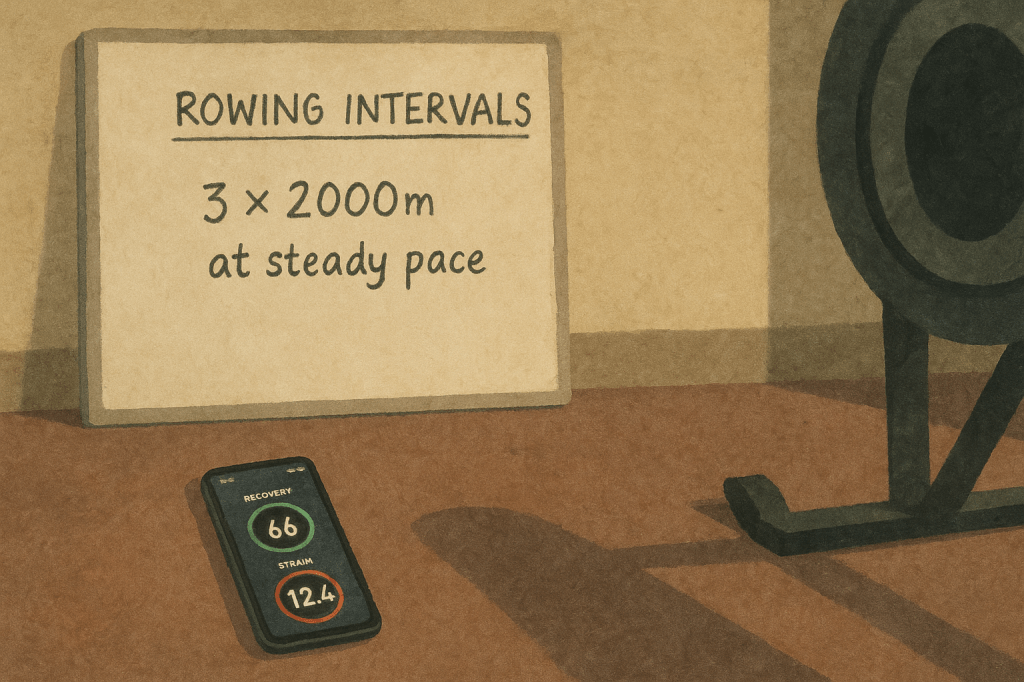
Same routine as the last few days: I took my WHOOP scores and fed them into ChatGPT. Recovery, strain, sleep, stress, all of it. This time the response was different. Instead of another rowing session, it came back with a strength and conditioning workout.
The plan was very specific. Exact machines. Exact reps. Exact weights.
There was only one problem. The weights it suggested were based on the numbers from a couple of months ago, pre-surgery, when I was training regularly and feeling stronger. I am not quite there yet.
So I asked the obvious question: are you sure about those weights, given that we have not done this in a while?
To its credit, Coach GPT backed off. It lowered the recommended loads to something more realistic, and in the end they felt pretty much perfect. Hard work, but not stupid.
There was another small win before I even started. On Thursday I had left my heel wedges at the gym. I assumed they were gone. When I walked in this morning, the receptionist handed them back. Someone had found them and turned them in. A tiny thing, but it felt like a good sign.
Session done, I finished on the rower with two 250 metre sprints. The first one was fast but messy. I got a bit carried away, my wedges slipped and my feet came out of the shoes with about 18 metres left. Almost there, not quite. The second sprint was much more controlled.
I am counting all of this as prototyping for the wedges. When the rower finally arrives at home, I want that setup dialled in so I can just strap in and go.
Right now the car thermometer says minus 0.5°C. It is still cold, but I feel great. I have a solid session in the bag, I am not wrecked, and the next job is to go home, rouse the rest of the house and get everyone out for a walk around the lake.
Training done. Family next. A good Sunday.
Another good session logged. This is The Sub-7 Experiment. And it continues.
Today’s session felt very different from yesterday.
Yesterday was a “didn’t want to go” day. Recovery in the yellow, head not really in it, and a steady, controlled endurance session to keep things moving.
Today was the opposite. All the dials were pointing in the right direction. Sleep was good. Recovery was good. Strain and stress from yesterday were reasonable. Heart rate variability looked solid. It was one of those mornings where WHOOP was basically saying, “You can do something here.”
So I fed the stats into Coach GPT again.
This time the plan that came back was not long and cruisy. It was a power session. A decent warm-up to get everything moving, then five 500 metre sprints on the rower. Each one at a set pace, hard enough to demand focus but not so fast that form would fall apart. Tunes on, eyes on the monitor, simple structure.
It felt great.
Every interval was controlled. No wild spikes, no heroic last-gasp strokes, just repeatable effort. By the fifth rep I knew I had worked, but I was nowhere near the point of dreading the next one or wanting to lie down on the floor.
That is the thread running through these last two days. Yesterday, the plan was to turn up and not overdo it. Today, the plan was to lean in a little and build some power. In both cases, the decision came from the mix of WHOOP data and what Coach GPT built on top of it.
I walked out of the gym feeling strong, not wrecked. I feel like I have done something meaningful, and I am ready to get on with the rest of the day at work.
I have just come out of the gym after my first proper session in a while. Last week was a family trip to London, which was brilliant, but it knocked me out of my routine.
This morning was one of those days where I really did not fancy going at all. WHOOP had my recovery in the yellow. Sleep was fine, stress and strain yesterday were nothing dramatic, but I still felt flat. It would have been very easy to decide that today was not a gym day and leave it at that.
Instead, I tried the new approach I have been talking about. I took my WHOOP numbers and dropped them into ChatGPT. In return, I got a clear session plan with target figures that matched how my body was supposed to feel on a “medium” day.
The structure was simple. Five minutes of warm up at a set pace to get moving. Then three blocks of 2,000 metres on the rower, again at a set pace. Nothing heroic. Just long, steady, repeatable work.
On paper it looked almost too easy, especially with that “you should probably train” yellow score. In reality it was exactly what I needed. Each 2,000 metres felt long and cruisy. Hard enough that I knew I was doing something, nowhere near the point of blowing up. By the end of the third block I felt like I had trained, but I did not feel broken.
The bigger difference was in my head. I walked into the gym tired and not really in the mood. I walked out feeling lighter and quietly pleased with myself. The combination of WHOOP data and ChatGPT as coach gave me just enough structure to get over the hump of not wanting to start.
It is early days for this experiment, but right now it has promise. If this is what a “didn’t want to go” day can look like, I am curious to see what happens on the days when I actually feel ready.
The countdown is on. Less than two weeks until the big cycling event. I haven’t been posting much, but I’ve certainly been putting in the work.
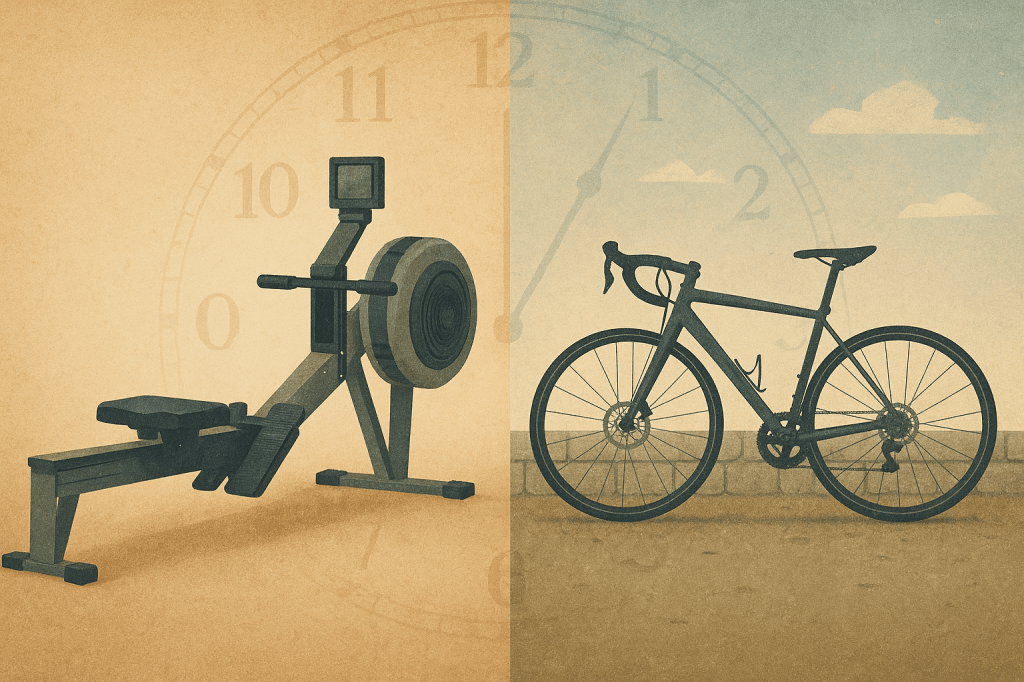
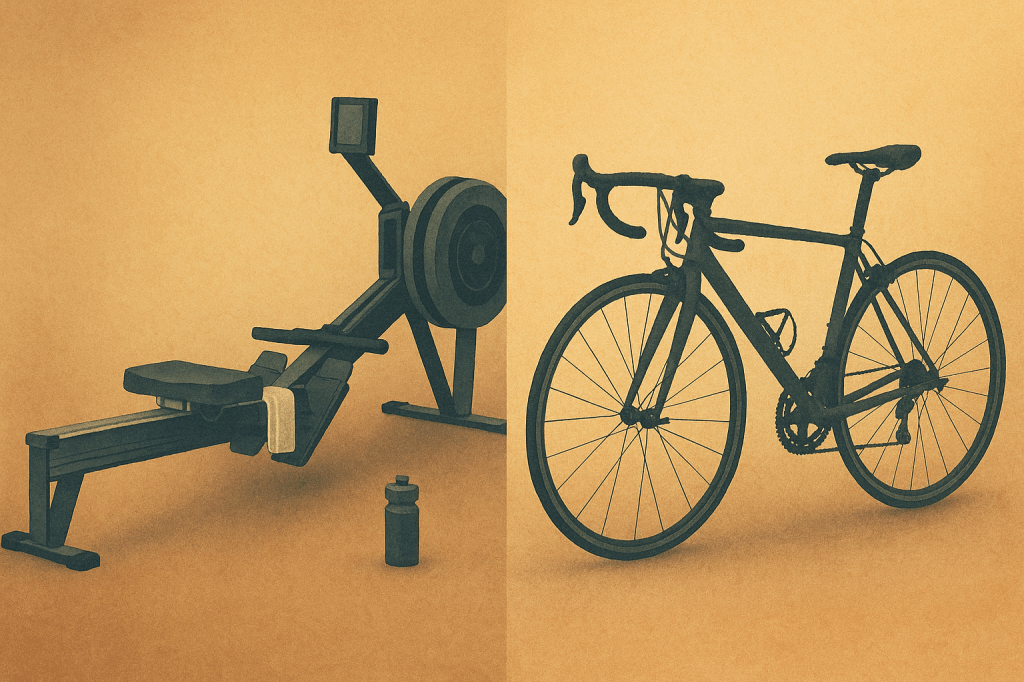
Friday was 14k on the rowing machine, with the intention of riding on Sunday. The weather shut that plan down, so instead I logged 21k on the rower — 35k total across the weekend. Monday was a rest day.
Tuesday I finally got back out on the bike. Swapped my wheels over between bikes to see if it would help with road buzz, and it definitely does. They talk about marginal gains and with all the small upgrades I have made recently the bike have changed it into something that’s really nice to ride as well as being exciting and quite fast when needed. I am happy with the setup now heading into the event.
The ride itself yesterday was about 45 minutes in zone 2–3, steady and controlled without pushing too hard but on the way back I had a little dig and it felt great.
Today (Wednesday) was another 10k on the rower. The engine’s there, the strength is there. I’m not going to win the event — but that was never the point. The point is to ride it, enjoy it, and share the day with friends.
The gym serves as a bit of a mental reset this morning too, I walked into the gym cranky and walked out lighter, calmer, and ready to face the day. That’s a win too.
Quick gym session today. Five minute warm up, then three eight minute steady sets at 2:05 pace and 22 strokes per minute. Rounded it off with a couple of 250m sprints and a cool down.
Felt great, exactly what I needed.
120 km on the bike coming up this weekend, weather permitting.
July was a break month. I called it “movement, not measurement” — no calorie counting, no chasing numbers, no obsessing over pace or distance. Instead, it was about moving because I wanted to, not because I had to. And it worked.
There were plenty of walks, a few gym sessions, and a lot of time spent with family. Camping, holidays, and just enjoying being Dad. And yet, even with the lighter approach, July gave me one of the biggest breakthroughs of the summer: I realised my rowing form was wrong. For months I’d been driving off my toes instead of my heels, which explained the knee pain I’d been ignoring. With heel wedges and a focus on connection, I started the awkward process of re-learning how to row. It felt strange, disconnected, even underpowered, but it was a step in the right direction.
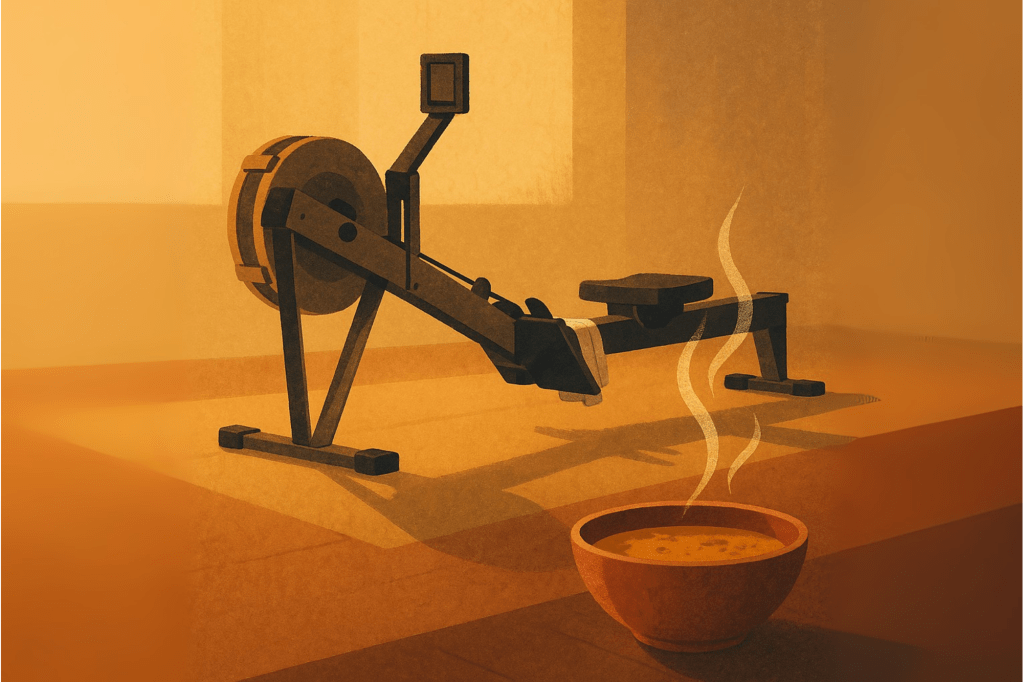
August was tougher. Coming back, I was hit by frustration: sore knees, comfort eating, a few pounds up on the scale, and the voices in my head louder than they’d been in a long time. The ones that say, “What’s the point? Stop now.” But in the middle of that I found an answer: the point is not becoming an old man dribbling into my soupruing the day i decided to stop moving. The point is staying strong, independent, and capable.
So I kept going. Rebuilding form on the rower. Long, hilly rides on the bike — including a brutal 112 km in rain, wind, and navigational mishaps that turned into a bigger ride than planned. No coffee stops, soaked to the skin, but proud I stuck it out. That cup of tea at the end tasted like a medal.
By the end of the month, structure was back. Gym sessions, meditation rows when my head was scattered, and one big endurance block: two × 45 minute blocks on the rower with a 20-minute bike in between. Over 21 km rowed in total, despite being under the weather. Proof that the base fitness is still there.
So here we are at the start of September. July gave me the space to reset. August gave me the chance to face setbacks head-on and still move forward. Now it’s time to sharpen things again — with a 120 km ride on the horizon and the 150 km event at the end of the month. And beyond that, the Sub-7 Experiment continues.
Quick training update today. Yesterday was a rest day after the 112k bike ride, and I still felt it in my legs this morning. I went to the gym for a recovery row, 7,000m at a slow stroke rate, strong pulls, and all about form over speed.
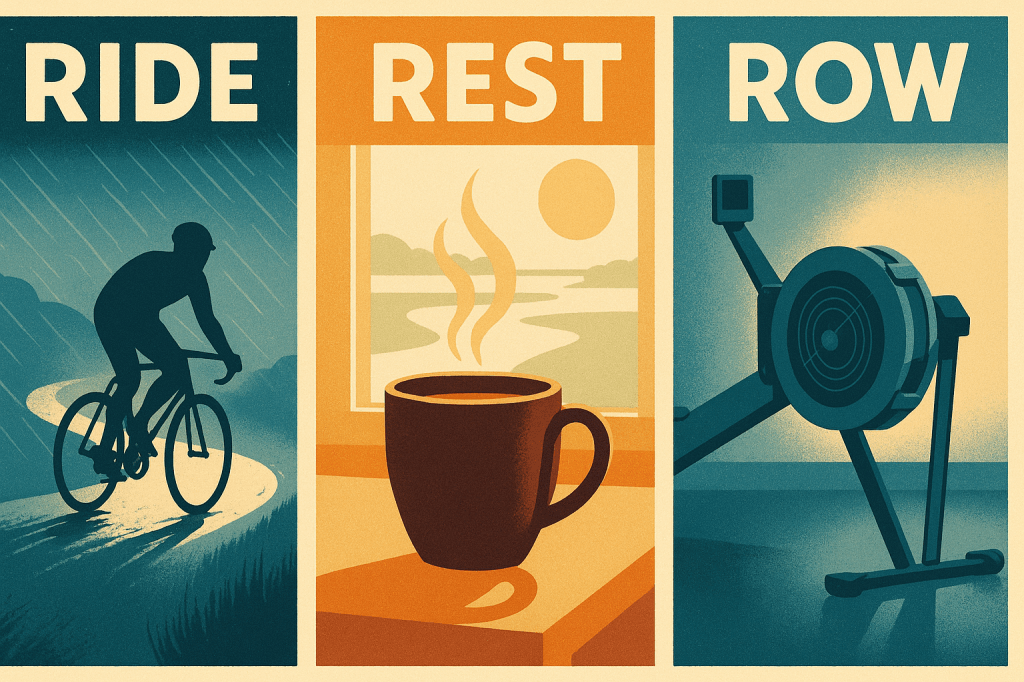
Ride, rest, row. It works.
It was exactly what I needed. I felt great afterwards and had the headspace to reflect on Sunday’s ride. I’ve cycled further before, and certainly faster, but doing that distance in bad weather and on a day when I wasn’t feeling it makes it all the more satisfying in hindsight.
July is over, and it was great to take a proper break, from tracking, measuring, and pushing. I didn’t count calories. I didn’t obsess over numbers. I just moved, ate well, and let things settle for a bit. And honestly, it was exactly what I needed.
One of the biggest gifts of that downtime was the space to finally listen to my body, specifically, my right knee.
The Knee
For the past couple of months, I’ve had a nagging pain at the front of my right knee, especially after big rowing sessions. And I’ve just been ignoring it. Powering through. But July gave me the breathing room to pay attention, and to realise that I’ve probably been rowing wrong.
If you’ve ever looked at the footplate on a rowing machine, there’s a movable part to adjust for foot length, a strap that goes across the widest part of your foot (for me, that’s the ball), a heel strap, and a raised piece that runs from the ball to under the toes.
Every book and coach will tell you: push through the heels.
But I wasn’t. I was pushing through my toes, without realising it. And that toe-heavy drive has been putting way too much pressure on the front of my knee. Now it makes sense.
Relearning the Stroke
So now, I’m retraining. Rewiring. Rebuilding.
I’ve added heel wedges to the footplate to help me stay connected through the back of the foot. It feels completely alien. Like trying to walk only on your heels without ever rolling through your toes. It’s weird, disconnected, and it robs you of power.
But it’s also starting to feel more right.
Over the last few sessions I’ve been rowing with the power curve on display, focusing purely on form. And I think I’m starting to feel a bit of a breakthrough. My stroke feels a bit more connected. A bit more glute-driven. Like I’m finally pushing through the right muscles.
I’m nowhere near breaking the 7-minute barrier right now, but I’m not starting from zero either. I’ve got a solid engine under the hood. This is about tuning it, making it run better, stronger, and more efficiently.
The Bike
On the cycling front, things are going well. The distances are creeping up, and I managed a solid 86km ride at the weekend with over 1,200 metres of climbing. That’s all prep for the 150km ride coming up in seven weeks.
So yeah, July gave me space. And now August gives me the opportunity to build again, smarter this time.
It might look a little different from before. But different might just be the thing that gets me there.