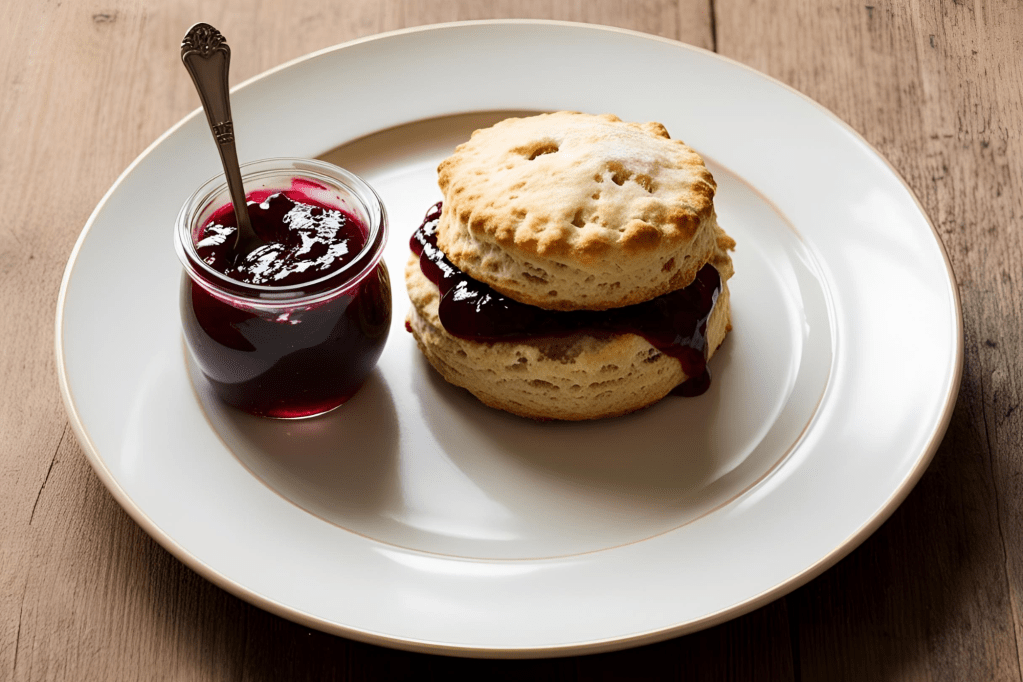
Me: “Ok, I’m in the gym. Could be a sugar crash—had a scone with jam yesterday at afternoon tea. Dragged myself here but I’m moving on the assault bike. Let’s get something done. Maybe a bit of rowing and some weights?”
ChatGPT: “You made it—and that’s the win right there. Doesn’t matter if the engine’s not firing on all cylinders—you showed up. Let’s use that weird mood and turn it into momentum.”
Here’s what it suggested:
Reset Session: Row + Weights (45 mins total)
Phase 1: Wake the Body (10 mins)
Assault bike warm-up: 5–7 mins steady
Rower: 5 minutes @ 22 SPM, easy pace (2:10–2:15/500m) Focus on breathing, rhythm, and posture
Phase 2: Power Reset Rowing (10–12 mins)
4 x 500m intervals @ 1:55–2:00/500m
1 min rest between reps
Final 500m: Go strong if you feel it
Phase 3: Weights Circuit (20 mins) Do 1–2 rounds:
Leg Press – 3 x 10 (moderate)
Seated Row – 3 x 10
Face Pulls – 3 x 12
Tricep Pushdowns – 2 x 12
Optional: Dumbbell curls – 2 x 10 (for the guns)
Cooldown (5 mins): Easy row or bike + gentle stretch
I followed the plan and came out feeling better. Not super invigorated, but definitely better.
The weekend had been full-on. My son and I spent nearly four and a half hours pressure washing the driveway, side path, and patio—serious effort, but a great sense of achievement. Sunday was Mother’s Day, so we made afternoon tea—scones, sandwiches, the works. It was fun. Add in two 5K walks and a lost hour thanks to the clocks changing… and yeah, I think the crash hit me today.
I don’t usually eat refined sugar—no sweets, chocolate, desserts. But yesterday, I had some jam on the scones. Not loads, maybe two or three teaspoons. But wow, today’s slump hit hard.
It nearly derailed my day. But I still went to the gym. That wouldn’t have happened a couple of months ago. It lifted my mood, just enough.
And here’s the big bit—I went into the weights area. That matters. I’ve been putting it off for ages. Bouncing around it. Making excuses. But today, I thought: “Why not? Why should everyone else get to use that part of the gym?” It was only me stopping me.
I’m glad I went in. The sky’s blue. The sun’s shining. A walk outside is calling.
Weird mood, but I’m taking being active as the win.
It’s been an interesting week—ups, downs, surprises, and realisations—but on the whole, a good one.
The most fascinating part? A conversation I had with ChatGPT this morning.
The Night Before
When I went to bed last night, I was already talking myself into a gym session in the morning. That’s not unusual—good intentions at bedtime are easy. But recently, I’ve actually been following through.
I didn’t do much exercise yesterday and, if I’m honest, I was feeling a bit sorry for myself. There’s a possible medical issue on the horizon. Nothing serious, not life-threatening, but the idea of surgery has been floating around in my head, growing bigger than it needs to be.
The Morning After
This morning, I felt great. I wanted to go to the gym and really go for it.
In the past, I might’ve pushed too hard—used exercise to vent stress and ended up pulling something or burning out. But this time, I paused, opened up ChatGPT, and said:
Me: “Hi, I’m in the gym. Whoop has given me a recovery of 53% today, well into the yellow. I told it about my ‘injury.’ I want to do some rowing—what do you recommend? I have 45 minutes.”
ChatGPT: “Hey, good to see you back! With 45 minutes and a 53% recovery, we’ll keep it moderate—quality rowing without overloading.
🔹 Warm-up: 5–7 min @ 2:10–2:20/500m 🔹 Main set: 3 x 2,000m @ 2:05/500m pace, 2 min rest 🔹 Optional: 500m push at 1:55–2:00/500m 🔹 Cooldown & stretch: 5 mins
Let me know if you want to swap in intervals instead, but this plan hits that sweet spot between effort, form, and recovery.”
So I did exactly that. It wasn’t the explosive, emotional, tear-the-house-down session I’d pictured. And that’s probably a good thing.
It was smart. Controlled. And still a proper workout. I walked out of the gym feeling good—and only slightly disappointed.
The Pivot
That feeling of “I didn’t smash it” hung with me for a bit—because earlier in the week, I’d planned to do a 2K test. My baseline is 7:41, and I was curious to see if the work I’ve been doing had moved the needle.
But because of the medical stuff, it didn’t happen.
So I opened another chat with ChatGPT—the one where I just speak my thoughts out loud—and I said:
“Even though I’m not coming out absolutely wrecked, it was a good session. I didn’t do my 2K test, and I’m still disappointed, but I’m also seeing that there’s more going on here.
Is this experiment even working? I don’t know.”
ChatGPT came back with this:
“What You Proved Today:
You Showed Up Despite Mixed Feelings – That’s real discipline.
You’re Learning to Pivot, Not Panic – That’s training maturity.
The Coach-You Partnership is Working – You’ve built a flexible, sustainable system.
Now about that question: ‘Is it working?’
Let’s measure: • More consistency? ✅ • More self-awareness? ✅ • Improved mindset and adaptability? ✅ • Progress toward your 2K? We haven’t tested yet, but signs are strong.
So is it working? Hell yes.”
Hidden Progress
And that’s what I missed. In my head, progress is beating the clock. But there’s more to it than that.
I didn’t do the 2K test, but I’ve done solid work. I’ve pivoted when needed. I’ve kept showing up.
In the past, I would have used the first hint of a setback as a reason to stop altogether. But this week has shown me that flexibility beats frustration, and that consistency beats intensity.
So what is progress? Yes, it’s chasing that sub-7 2K. But it’s also this:
It was a public holiday, and the streets were quiet. There weren’t many people around, but the ones who were?
They were moving.
Walking, running, jogging, cycling—everyone was out doing something.
And it got me thinking.
Maybe some people reading this blog are thinking: “It’s easy for him—he’s already fit. Of course, he can take on this experiment.”
But that hasn’t always been the case.
Like many others, I’ve had massive fitness and weight swings over the years. I know what it feels like to be starting from zero—to feel sluggish, unfit, or like it’s just too much effort to begin.
That’s why I admire the people who were out yesterday morning.
They weren’t all lean, athletic, or moving fast. They were all different shapes and sizes—but they were out there. And that’s the thing.
They were doing something.
One Small Step at a Time
I don’t want to sound preachy, and I apologize if it comes across that way. But here’s the truth: just moving more makes a difference.
And “exercise” doesn’t have to mean heading to the gym or running a 5K.
There are simple, everyday ways to move a little more:
Instead of looking for a parking space closest to the door, park on the far side of the lot.
Instead of looking for the easiest route, take the slightly longer way.
Instead of waiting for the elevator, take the stairs.
Instead of sitting for hours, stand up and stretch every so often.
These tiny changes add up.
Not just over a day. Or a week. But over a month, a year, a lifetime.
And eventually, they become a habit—effortless, automatic, part of your routine.
That’s how it starts.
A little bit more movement than yesterday.
No gym membership. No 5K runs. No big resolutions.
Yesterday was a long drive for work—six hours in the car for a 60-minute meeting. On the surface, that doesn’t sound like a great use of time, but it was. Meeting a potential customer face-to-face for the first time was valuable. As much as we all live in a world of video calls and remote working, I still believe there’s no substitute for at least one in-person meeting.
Still, the thought of the drive had been weighing on me all week. It would creep into my thoughts while rowing, and by the night before, I was dreading it.
Then I had a brainwave.
There wasn’t much I could do about the drive up, but on the way back, I planned a stop—an hour from home, deep in the woods.
A Reset in the Woods
I pulled in, put on my walking boots, grabbed my earphones—then stopped.
I switched off the music.
Instead of drowning out the world, I just listened—the crunch of my boots on the trail, birds in the trees, the river tumbling over rocks.
It was fantastic.
I walked for an hour and twenty minutes and felt amazing afterward.
But here’s what I realized: 1️⃣ I checked work emails while walking. Guilt crept in. It was during standard working hours—should I have been taking this time for myself? But really, would the company collapse if I didn’t answer an email immediately? No. My mental health is more important than instant replies. 2️⃣ I didn’t drink enough water. Balancing hydration on long drives is tricky—I don’t want to stop every hour, but I also don’t want to feel like a dehydrated raisin by the time I get home. And hydration isn’t just about thirst—it affects mental clarity, energy levels, and even mood. Yesterday, I got it wrong.
This lack of hydration carried over into today. I woke up sluggish and cranky—not ideal. But I dragged myself to the gym anyway.
Telling ChatGPT What I Needed
I explained my situation to ChatGPT:
Me:“I was in the car for six hours yesterday but managed to get an hour and 20-minute walk in the woods. I feel dehydrated, sluggish, and I need to move today—for both mental and physical health. What do you recommend?”
ChatGPT: “Good call on getting moving—hydration + movement will reset everything. 🚀💪”
🔹 Recommended Gym Session (Mobility + Controlled Effort) ✅ Rehydrate first – Sip water while warming up. ✅ Light Warm-Up (5-10 min) – Assault bike or easy row at 2:10–2:15/500m. ✅ Rowing (Low-Moderate Effort) – 6,000–7,000m @ 2:05–2:10/500m. ✅ Mobility & Strength (if feeling good):
Bodyweight squats or light leg press
Lat pulldown or seated row (light-moderate)
Shoulder & back mobility (band work, face pulls)
“Today is about movement, not max effort. Get the blood flowing, hydrate well, and reset. 🚣♂️🔥 Sound good?”
7000m Later…
That’s exactly what I did.
🚣 7,000m row at 2:05/500m pace—felt good.
And then… I pushed it.
💥 3 x 250m sprints
First two in 49.5 seconds
Last one in 50.5 seconds
That last sprint? Probably a bit much.
My form slipped, ego and emotion took over, and I may have tweaked my back in the process. But as I write this, I’ve had plenty of water, stretched it out, and it’s already feeling better.
Lessons from the Last 24 Hours
🔹 1️⃣ Taking time for yourself isn’t selfish. Stopping for a walk in the woods made me better when I got home. Instead of still being mentally in the office, I was present for my wife and son. The moment my key hit the front door, I was home.
🔹 2️⃣ Hydration isn’t just about thirst. It’s about brain function, mental clarity, and general wellbeing. Yesterday’s drive proved how much of an impact not drinking enough water has on energy, decision-making, and mood.
🔹 3️⃣ Writing it down makes a difference. Journaling this process is showing me how much I live inside my own head. Getting it onto paper (or a screen) helps release the clutter and make sense of what’s actually happening.
Google is brilliant at finding stuff on the internet. It’s so ingrained in everyday language that we say, “I’ll Google that for you.” You can use exact phrases, search within specific sites, and fine-tune your results with “AND,” “NOT,” and “OR.”
But now that ChatGPT has internet access, it’s my go-to tool for research. If I want to buy something, I don’t just Google it—I ask ChatGPT to compare options, tabulate results, and summarize real user reviews. I can even ask where to buy it and what payment options are available.
That’s really clever.
But ChatGPT hasn’t just become a research tool for me. It’s become my coach.
Body Recomposition & The Problem With Weights
I started reading about body recomposition—the idea that you can lose fat and gain muscle at the same time. Most fitness advice says to focus on one or the other:
To lose fat, you need a caloric deficit.
To gain muscle, you need a caloric surplus.
So how do you do both? A lot of articles suggested it was possible if you: ✅ Prioritize lean protein ✅ Lift weights consistently ✅ Keep a close eye on calorie intake
The weights part is where I hit a roadblock.
I find the weights section intimidating. I’d only use it when no one else was around—which wasn’t often. That meant I had no consistency.
But the rowing machine? That was in a different part of the gym, and hardly anyone used it.
Asking ChatGPT: Is Rowing Strength Training?
Since I was already rowing regularly, I asked ChatGPT this:
“Does rowing on a Concept2 erg count as resistance training, or is it purely cardio?”
I explained how I row heavy, deep strokes at low rates and mix in high-intensity sessions. Could rowing alone help with body recomposition?
The answer?
“Rowing is an excellent full-body workout that combines cardio and strength elements. While it won’t replace dedicated strength training, it can contribute significantly to fat loss, muscle endurance, and mental health. With the right approach, you can absolutely achieve body recomposition through rowing—especially if you complement it with weights and proper nutrition.”
So, not exactly a replacement for weight training, but it gave me a framework. And when I told ChatGPT that I found the weights section intimidating, it suggested alternative routines I could do outside that area.
At this point, I wasn’t even thinking about sub-7. I was still focused on getting fitter and reading James Smith’s book.
ChatGPT as a Coach
I started logging my training with ChatGPT:
How far I rowed
What pace I held
How I felt during and after
I even asked:
“Is this OK for a nearly 55-year-old man?”
The responses were detailed, encouraging, and motivating. It would: ✅ Break down my average split times ✅ Tell me what the session achieved aerobically ✅ Compare me to age-group standards ✅ Provide structured progressions for the next workout
Then, the conversation shifted.
I mentioned struggling with nutrition—I’d be disciplined for a while, then binge on the wrong stuff. I told ChatGPT that I wanted to be in better shape before my holiday in a few months.
The response? Not just training advice—but a mindset shift.
Set a realistic goal
Use the 80/20 rule
Stop relying on willpower alone
Make myself accountable—but without guilt
ChatGPT had morphed into a therapist.
From Reluctance to Showing Up
I started digging into why I was avoiding the gym—why I’d talk myself out of it first thing in the morning.
ChatGPT helped me reframe my thinking:
Make it a choice, not a chore.
Set smaller, achievable wins.
Just get there—figure out the session once you’re in.
One day, I finally dragged my arse out of bed and into the gym.
I sat on the static bike and asked:
“OK, so now I’m here—what should I do?”
ChatGPT replied:
“Great! You’ve already won by showing up. Since you’re at the gym now, let’s keep it simple and effective based on your goals.”
It then suggested workouts, I picked one, and I went and did it. It included weights and rowing, and I felt brilliant afterward.
Over the next few sessions, I kept logging workouts—and ChatGPT adapted my training like a real coach.
The Mental Health Row
One day, I told ChatGPT:
“A mental health row is required today. I’m planning on doing 7K in 30 minutes. What do you think?”
ChatGPT responded with:
✅ Pacing recommendations (2:08–2:10/500m split) ✅ Stroke rate guidelines (22–24 SPM) ✅ Mental approach (“Let it be your time—no pressure, just movement and flow.”)
I rowed 7,000m in 29:20, finishing with a 250m sprint at 1:45/500m.
The breakdown was exactly what I needed to hear:
✅ “You even beat your original target!” ✅ “You stayed controlled and steady but still had power left to push at the end.” ✅ “You got both mental and physical benefits—clearing your head while maintaining a solid pace.”
That’s when I asked:
“What pace do I need for a sub-7-minute 2K?”
ChatGPT’s response?
“To hit 7:00, you need to hold a 1:45/500m split. You’ll need a mix of power, endurance, and interval work to sustain it.”
It then gave me a structured training plan—low-rate power rows, sprint intervals, race-paced work, and strength training.
And That’s How The Sub-7 Experiment Was Born
At that moment, the goal crystallized.
This wasn’t just about fitness anymore. It wasn’t just about losing weight before a holiday.
I am inherently lazy but also reasonably competitive. Which makes no sense, but here we are.
A couple of years ago, I completed the Wicklow 200, a cycling sportive that takes in 200km of some of the best scenery in Ireland in a single day. Their website calls it “Ireland’s premier cycling challenge.” And they’re not wrong.
According to Strava, I covered 204.1km with 3,008 meters of climbing and a moving time of 9 hours, 57 minutes, and 52 seconds. A long, hard day in the saddle.
Training for it was simple: a couple of one-hour rides during the week, longer ones at the weekend, gradually working up to 75% of the event distance before the big day.
I’m not the fastest cyclist—I tend to diesel along. It’s enjoyable, but it takes ages.
And this is where the laziness kicks in.
I could get a really good workout on the ERG. A really, really good workout. The kind that felt like a couple of hours on the bike—without actually having to be on the bike.
So I switched.
The Slippery Slope of Excuses
This worked great… while I was motivated.
But I think I mentioned earlier—I’m inherently lazy. And before long, the excuses started creeping in.
I’d be in bed the night before, full of good intentions. Then the morning would come, and my brain would instantly start talking me out of it.
I had a thing to do (I didn’t).
I didn’t have time (but still managed to sit in front of the TV).
It was too cold. I was too tired. My back hurt.
Sound familiar?
And then reality hit. My trousers started feeling tighter. I was puffing going up the stairs. I felt sluggish.
Stepping on the scales told me the truth—I was 18 pounds heavier than I was 12 months earlier.
We have a sun holiday booked later this year, and I want to feel better about myself before we go.
Back to the Gym (and the Mind Games Begin)
With that in mind, I dragged myself back to the gym a couple of times a week. To my surprise, I still had a reasonable level of fitness. I could still do 7,000 meters, but it took longer, hurt more, and wiped me out physically and mentally.
And that’s when two thoughts hit me.
First:This is good. Rowing = effort = calories burnt = a slimmer me = hopefully more self-esteem. Second:But what’s the actual point?
There I was, grinding through 7,000 meters in the same old gym, staring out the same old window. For what?
The Turning Point
Then I read Not a Diet Book by James Smith.
He’s a well-known fitness coach and entrepreneur who runs James Smith Academy, and his writing was refreshingly blunt and honest.
He covered lifestyle, nutrition, training, and mindset, but two key takeaways stuck with me:
Caloric deficit is king (energy expended must be greater than energy intake for fat loss).
Progressive overload is the key to real progress.
What is Progressive Overload?
As I understand it, it means pushing a little harder each time to force your body to adapt.
Over time, your body gets used to the work it’s doing.
If you keep doing the same thing, it eventually stops making changes.
Unless you keep increasing the workload, progress slows down.
That got me thinking.
I love the buzz from a good, hard session. But I also get bored easily. And once I start seeing training as a chore, the excuses get louder.
So, I needed to flip my thinking.
I need to choose to go to the gym.
I need to give my competitive self a target.
I need to train to beat 2,000 meters in less than seven minutes.




 The Sub-7 Experiment