I went for a ride on the bike yesterday—60km all in—and it felt great. What really struck me was the shift in mindset. I kept recognising where I was and thinking, “Oh, I’m here already” instead of “Oh, I’m only here.” Just a small difference in words and thoughts, but a massive one in terms of progress.
I really gelled with the bike. Getting a proper bike fit and a new saddle was such a good call. Not just because I’m now physically connected to the bike, but because it actually saved me a load of cash.
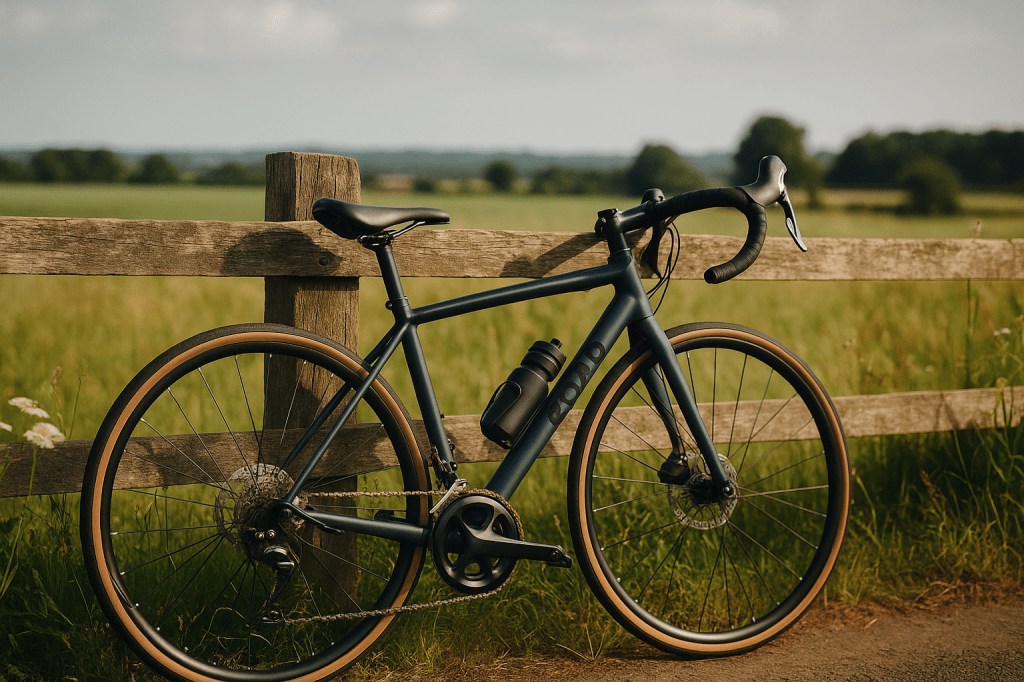
I’d been eyeing up new bikes—maybe a gravel bike, an “adventure” bike, or a racier road model. Something exciting. But the bike fit brought me back to the 11-year-old Giant I already own. And now? It feels like new. It’s as exciting to ride as I hoped it would be when I first bought it all those years ago.
I probably could’ve gone further than 60km yesterday, but I surprised myself by deciding it was a good place to stop. I didn’t push past “great ride” into “slog”—and that feels like progress, too.
I’ve got a 150km ride scheduled for September. In past long rides, I made rice cakes from a cycling nutrition book. To be honest, I couldn’t face them again. So before the ride, I asked ChatGPT for fuelling strategies and a few recipe ideas.
I tried one of its banana oat bar suggestions, and aside from a few flavour tweaks and a more refined fuelling schedule, they worked really well.
This is good. I’m pleased with how the bike is performing. I’m pleased with how I’m performing. And the rowing is complementing the cycling beautifully.
It’s going to be a good summer—training to break the 7-minute rowing barrier and getting ready for that 150km.
One is a ten-year-old carbon-framed beauty with super nice wheels—it looks great, rides fast, and I love it.
The other? A budget-friendly bike from a well-known French sporting chain. I bought it as a winter bike—something I could slap mudguards on and ride in all weathers without worrying about it. I figured if I ever crashed, at least I wouldn’t be watching an expensive piece of carbon fiber shatter into a million pieces.
Here’s the weird thing…
According to Strava, I set more personal bests on the cheaper, heavier bike.
Meanwhile, when I’m on the expensive one, I feel like I’m hammering it, but the numbers don’t reflect it. It didn’t make sense.
The Bike Fit Revelation
A good friend has been telling me for years to get a professional bike fitting.
I resisted.
To my untrained eye, it seemed like a case of paying someone to adjust my saddle height—something I could figure out myself with a bit of trial and error, right?
Wrong.
I finally gave in and booked a bike fitting. It was a fantastic experience.
The morning started with: ✅ Body measurements—measured against the bike setup ✅ Injury history & pain assessment—what aches, imbalances, or old injuries might be affecting my riding? ✅ Mobility tests—walking up and down the studio while the fitter analyzed my gait and flexibility
And that was before we even touched the bike.
Cleat Position: The Foundation of Everything
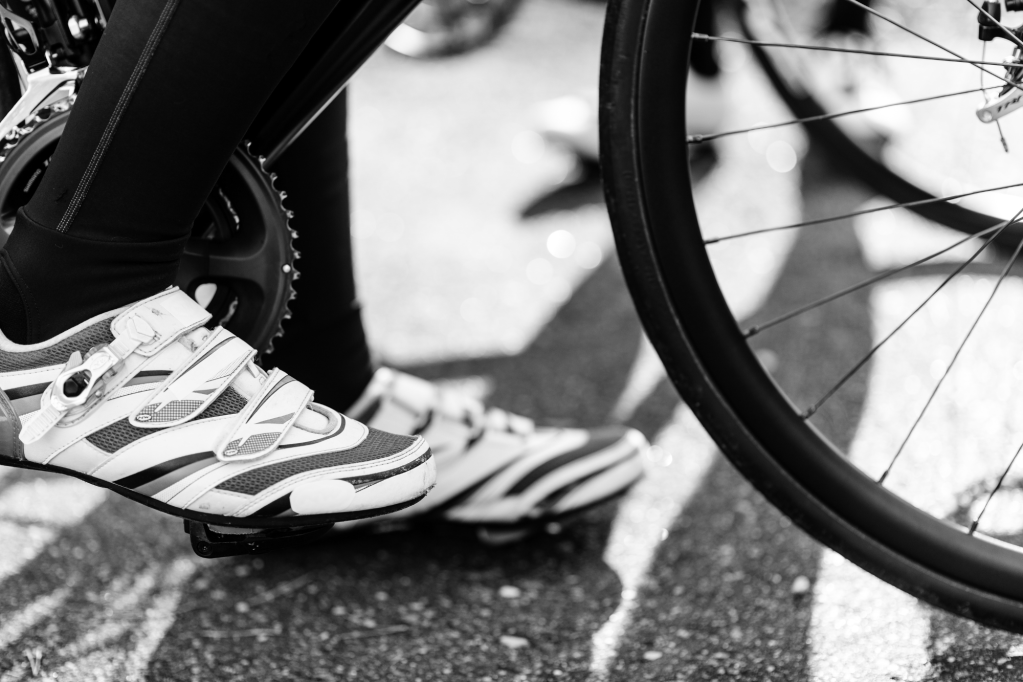
Before we even looked at saddle height, we spent 30 minutes on my left shoe alone.
Not just adjusting the cleat position but making sure that: ✅ I was comfortable on the pedals ✅ My foot placement allowed for optimal power transfer ✅ Everything felt natural and stable
Then, I started pedaling.
Cameras in front, behind, and from the side captured my riding position. These were plugged into a laptop where the fitter analyzed: ✅ Leg angles & hip tilt ✅ Arm position & reach ✅ Pressure distribution on the saddle
Every tweak—seat height, fore/aft positioning, bar height, even tilt adjustments—was measured, discussed, and refined.
One of the biggest changes? Moving the handlebars down.
I’d always assumed, with my long torso and monkey arms, that I’d need the bars higher for comfort.
Nope.
Lowering the bars made a massive difference.
Post-Fit Struggles: Where’s My Power?
There was only one problem.
Changing my position and connection to the bike made it feel like I had no power in my legs.
This is expected. Even the pros experience this after a bike fit adjustment—the body needs time to adapt. The only solution?
Get out and ride.
Today’s Ride: Strange, but Good
So that’s what I did.
It was a beautiful spring morning—not too warm, not too cold, blue sky, crisp air. Perfect cycling weather.
I did my usual 22K loop—230m of climbing, 57 minutes total.
It felt weird.
But also really good.
This was only my third ride since the fit, and already, I feel stronger, more comfortable, and more stable.
One thing became clear—I have a massive leg imbalance.
The fitter reckoned if I had a power meter, it would show a 25% / 75% power split left-to-right.
The fix? Conscious effort.
A tip from the fitter: 🚴♂️ On climbs, count 20 pedal strokes per leg. 🚴♂️ Focus on the left leg, then switch to the right. 🚴♂️ Repeat.
By actively engaging both legs, I should rebalance the power output.
More saddle time will bring back the power.
I hope.
But today was a win.
✅ Great to be out. ✅ Great to do something different.
 The Sub-7 Experiment